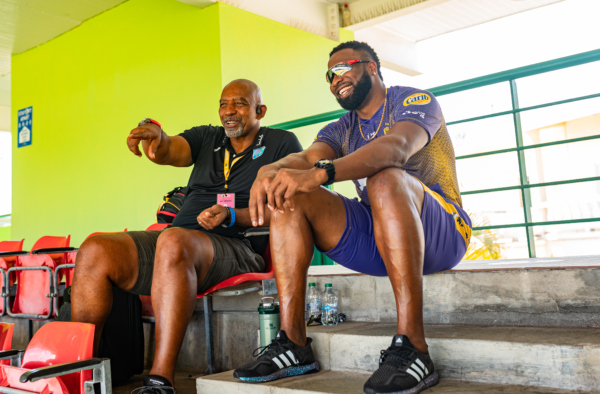

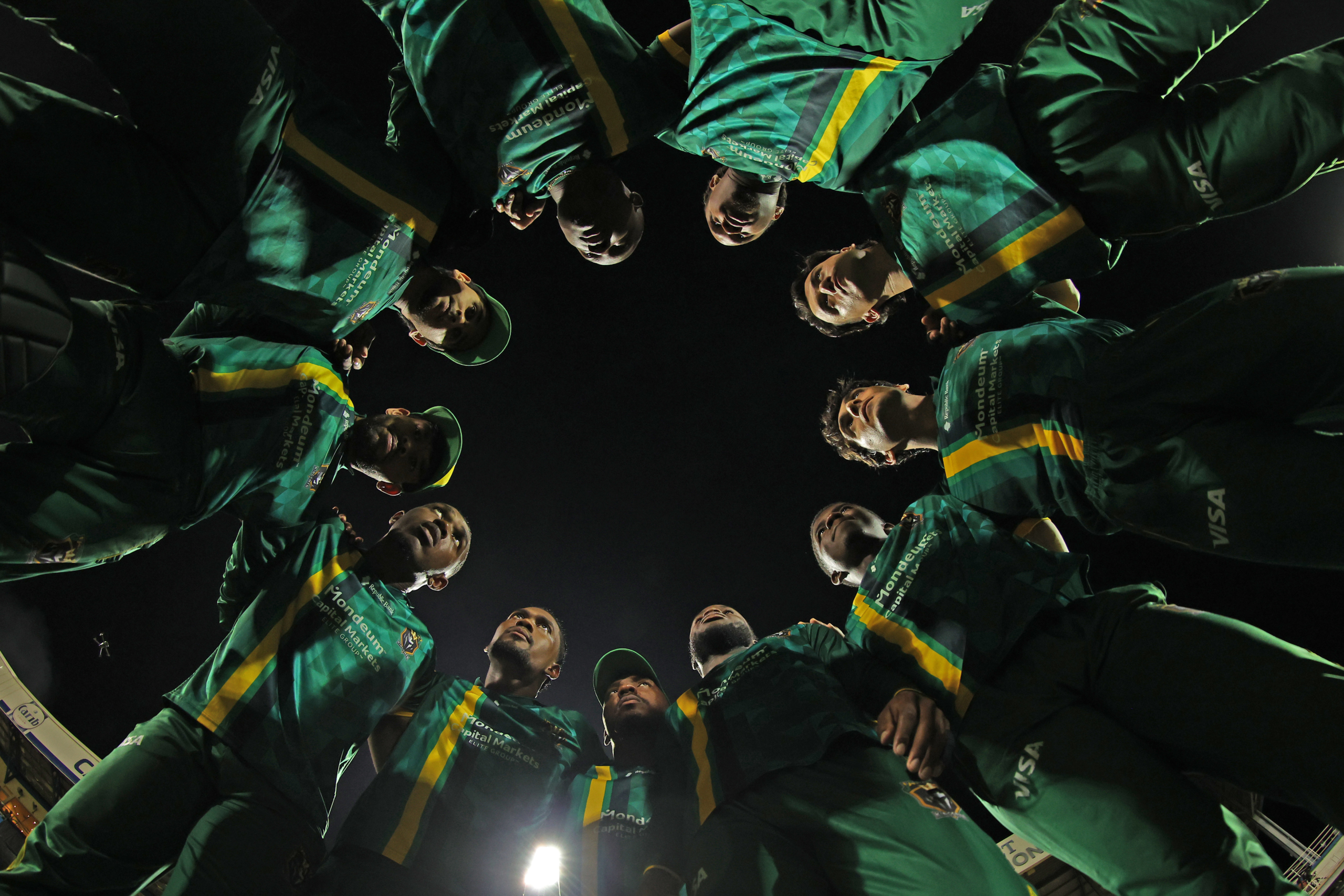
Trinbago Knight Riders suffered a frustrating seven-run defeat to Jamaica Kingsmen via the Duckworth–Lewis–Stern (DLS) method after rain ended their CPL 2026 clash at Queen’s Park Oval.
Despite half-centuries from Sunil Narine, Colin Munro and Nicholas Pooran, TKR’s 180/6 was not enough. Jamaica were 127/3 after 14.4 overs when rain stopped play for the final time, leaving them seven runs ahead of the DLS par score.
So, how did TKR lose when Jamaica had not reached their original target of 181? Here is what happened—and how the rules decided the result.
Why Did TKR Lose by Seven Runs Under DLS?
When rain prevents a chase from being completed, DLS compares the chasing team’s score with a calculated par score at the exact point play stopped.
Jamaica’s total of 127, combined with the official seven-run winning margin, means the par score was 120.
- TKR’s total: 180/6 from 20 overs.
- Jamaica’s original target: 181.
- Jamaica’s score when play ended: 127/3 after 14.4 overs.
- DLS par score: 120.
- Result: Jamaica won by seven runs—127 minus 120.
Once no further play was possible, Jamaica did not have to reach 181. They needed to be above the DLS par score at that stoppage.
How Does DLS Work in Cricket?
The Duckworth–Lewis–Stern method accounts for two key batting resources: overs available and wickets remaining.
It does not simply compare run rates or each team’s score after the same number of overs. A side with more wickets available has greater potential to score during the remaining deliveries, which affects the calculation.
The distinction between par score and winning target also matters. Par is the score that leaves the teams level under DLS; a winning target is one run higher.
In this match, 120 was par and 121 would have put Jamaica ahead at the final stoppage. Their seven-run winning margin was measured against 120, not 121.
For a standard T20 rain-shortened result, the chasing team generally must have had the opportunity to bat at least five overs, unless a result is achieved sooner. Jamaica had faced 14 overs and four balls, comfortably passing that threshold.
Being ahead when rain starts does not automatically mean victory. If conditions allow, play resumes. Here, the final interruption prevented any further play.
Lawes’ Triple-Wicket Maiden Stunned TKR
Narine and Munro gave the Knight Riders a commanding start, putting on 101 for the opening wicket and both passing fifty.
However, TKR’s momentum changed dramatically in the 14th over.
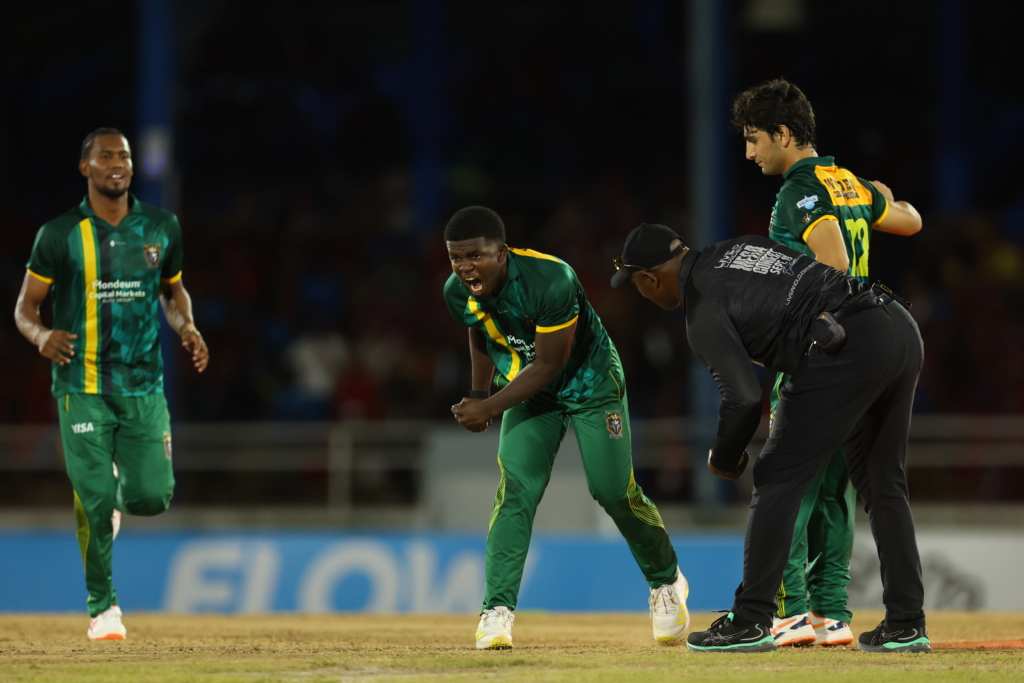
Vitel Lawes dismissed Munro, Kieron Pollard and Matthew Tromp without conceding a run, turning 120/1 into 120/4 with a remarkable triple-wicket maiden.
Pooran rebuilt and finished strongly, striking 60 not out from 37 balls to lift TKR to 180/6.
While Lawes’ over did not directly determine the DLS result, it restricted TKR’s final total—the starting point for Jamaica’s rain-adjusted equation.
Jamaica then reached 54/1 in the powerplay. Kirk McKenzie contributed 30, while Keacy Carty helped advance the chase before falling to Usman Tariq.
When the rain returned for the final time, the visitors had kept themselves above par.
Pooran: “Tough One to Swallow”
Pooran made no attempt to hide his disappointment after the result.
“Tough one. Tough one to swallow.”
The TKR captain praised the batting effort and believed 180 was a strong total. He explained that batting had become more difficult as the ball softened before rain altered the conditions.
Pooran also expressed frustration about bowling with a wet ball and said the umpires had not changed it. Those comments reflected his concerns about the playing conditions; the result itself was determined by the DLS calculation.
Looking ahead, his message centred on resilience.
“We need to fight and fight and stay in it.”
Asked about Pollard, who had hobbled off the field, Pooran said he was not completely sure of the situation and hoped his teammate would be fine for Monday. He did not confirm an injury diagnosis or availability.
What Next for Trinbago Knight Riders?
TKR’s remaining home fixtures are against Guyana Amazon Warriors and Antigua & Barbuda Falcons.
Jamaica captain Rovman Powell described winning in Trinidad as a major boost and praised the importance of backing young players such as Lawes.
For the Knight Riders, three half-centuries offer encouragement. But a damaging middle-order collapse and Jamaica’s ability to stay ahead of the DLS equation left the defending champions facing another setback.
What hurt TKR most: Lawes’ triple-wicket maiden, bowling in wet conditions, or rain denying them a full finish? Tell us in the comments and share this explanation with a CPL fan.
Follow and Support EXTV
Get more CPL 2026 coverage, post-match reaction, exclusive interviews and Caribbean sports stories from Extra Time TV.
YouTube | Facebook | Instagram | TikTok | X | LinkedIn
Support independent sports coverage: Tip EXTV | Shop EXTV Merchandise
Sources: CPL match report, post-match interviews, published match result and ICC T20 playing conditions